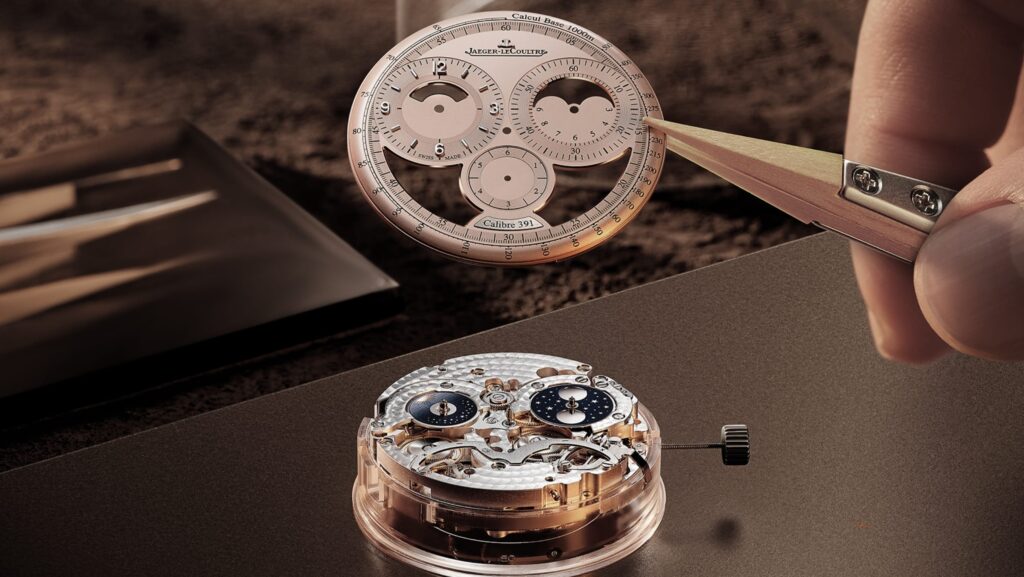
Jaeger-LeCoultre — hailed as the watchmaker’s watchmaker — typically finds itself just outside the mainstream spotlight. Very much a high street brand where availability is never a problem, but not a household name where the casual buyer may walk on by and not appreciate it’s deep heritage and exquisite detailing.
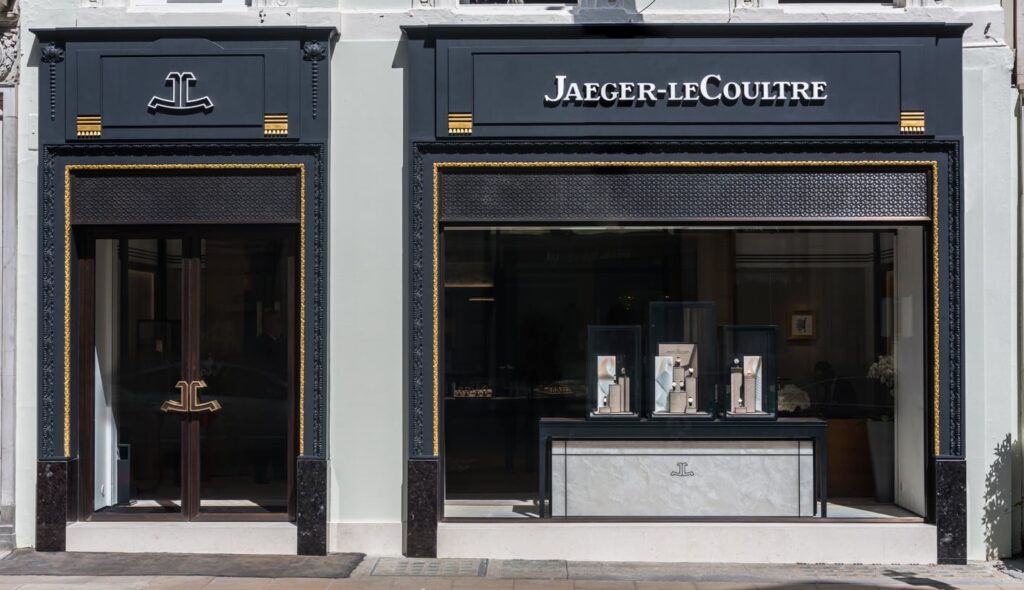
Recent pricing has pushed many model lines north of the mass producers it shares the shop windows with to create clear differentiation. The Reverso, once a popular entry level luxury watch from a prestigious brand is now nearly £10,000 for a mid size monoface.
In recent times JLC have gone above and beyond its traditional competitors moving prices closer to the likes of Girard Perregaux, Glashütte Original and Moser. Perhaps welcomed by some collectors, but by no means a popular move. You would argue this is a long term play where the rewards of exclusivity at a higher price point is worth the journey at the expense of collectors complaints at the lower end.
Given sales significantly trail the likes of Rolex and Omega, some say the watches are too niche, too subtle, or simply not compelling enough for everyday wear. But is that really the whole story?
A Watchmaker with Deep Roots
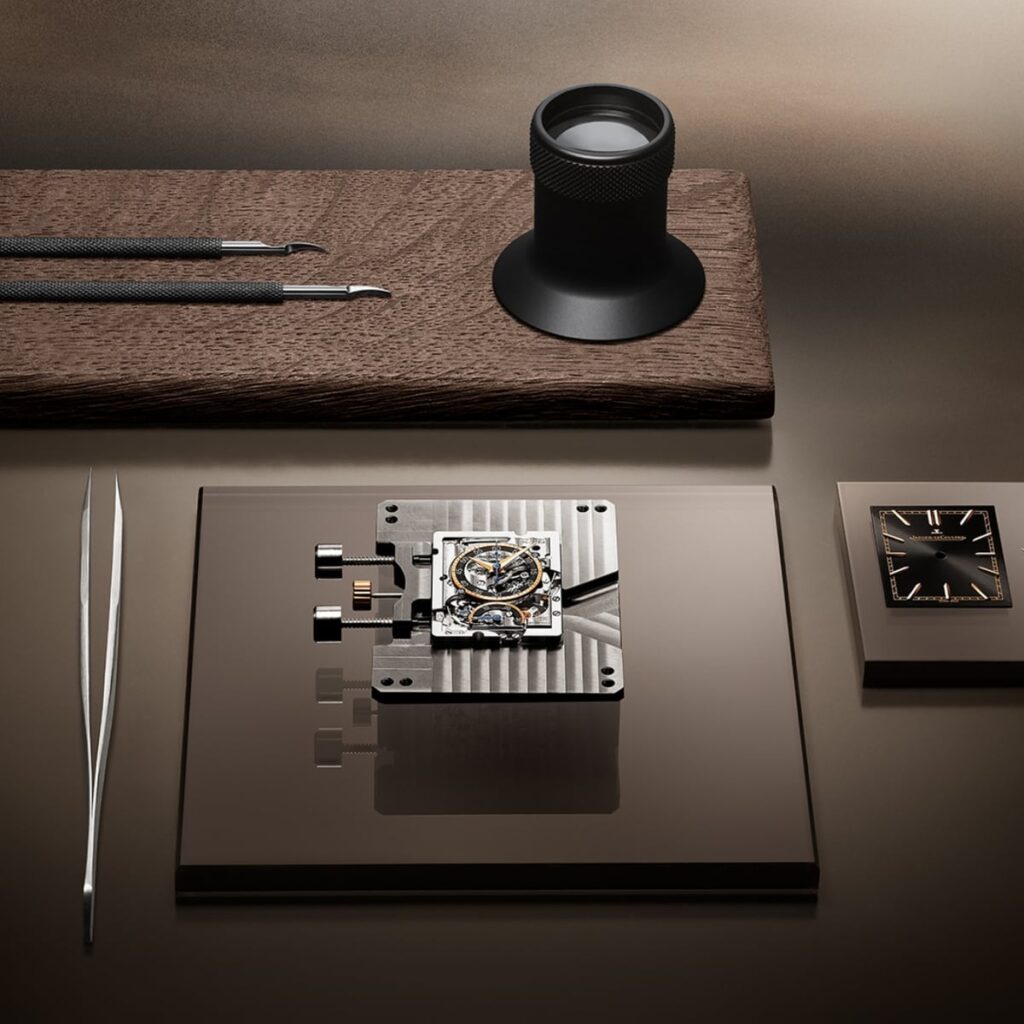
JLC’s legacy is substantial. They’ve developed over 1,200 calibres, supplying movements historically to some of the most prestigious houses in Swiss watchmaking—most notably Patek Philippe and Audemars Piguet.
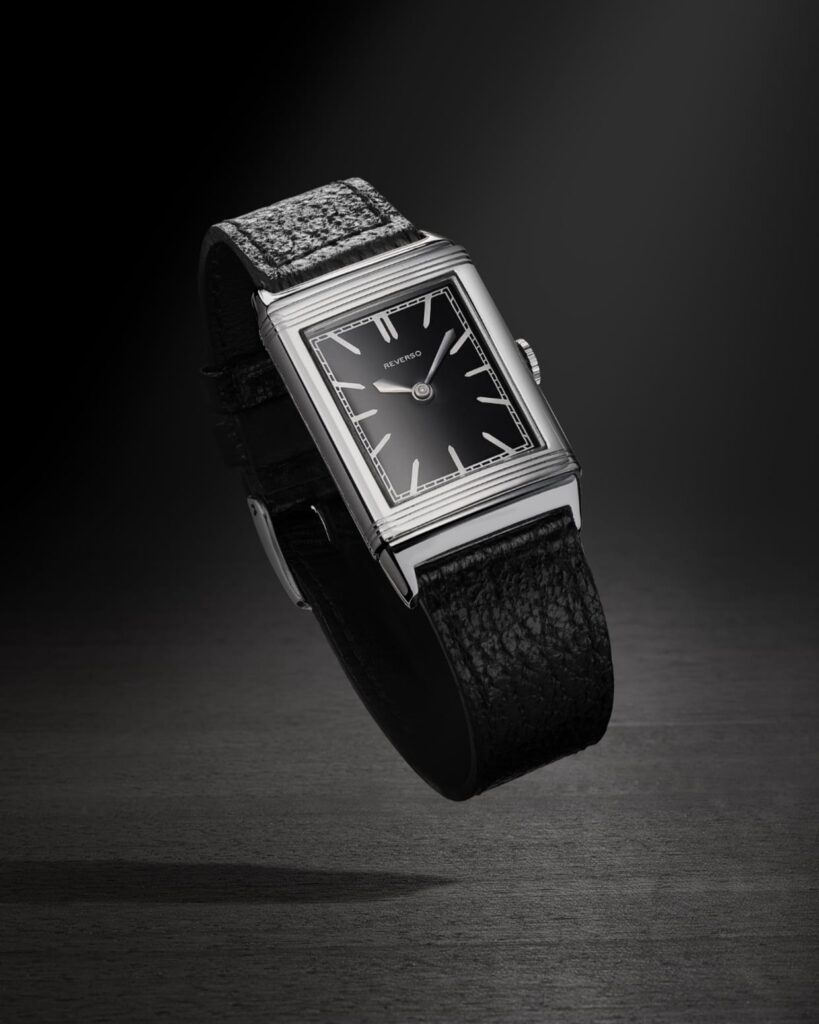
Their craftsmanship is virtually unmatched—and yet, they’ve never quite captured the mainstream attention their peers enjoy. Jaeger-LeCoultre was the first watchmaker in the Vallée de Joux to bring all aspects of production under one roof, a major shift from the tradition of independent home-based craftsmen. The Jaeger and LeCoultre names were officially united in 1937, forming the company as we know it today with the Reverso, now the brand’s most recognisable model, first introduced in 1931.
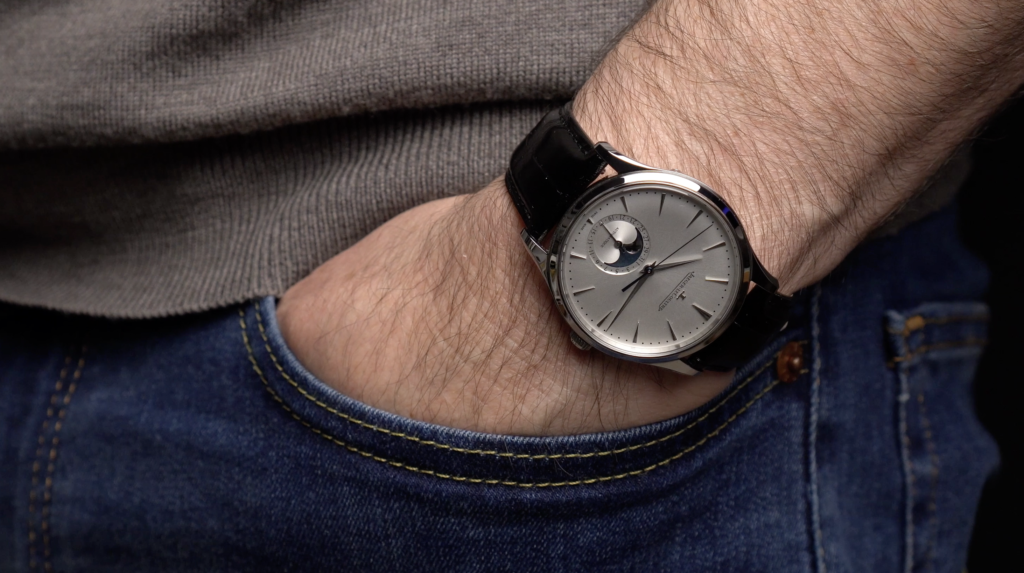
As an enthusiast, I’ve long appreciated the brand and currently own the Master Ultra Thin Moon—a refined, discreet watch that rewards quiet observation. Additionally, and my followers will know this, I nearly added the Polaris Date Green Dial to my collection; the lacquer finish and presence of that piece still resonate with me today. Luckily pre-owned prices are softening, so there’s still a chance.
Polaris: From Functional to Beautiful
The Polaris range, reintroduced in 2018, started out relatively conservative with clean layouts and broad case profiles echoing the original compressor style design. Serviceable, but perhaps a little uninspired. I found the dials a little flat and the hands and indices a little thin.
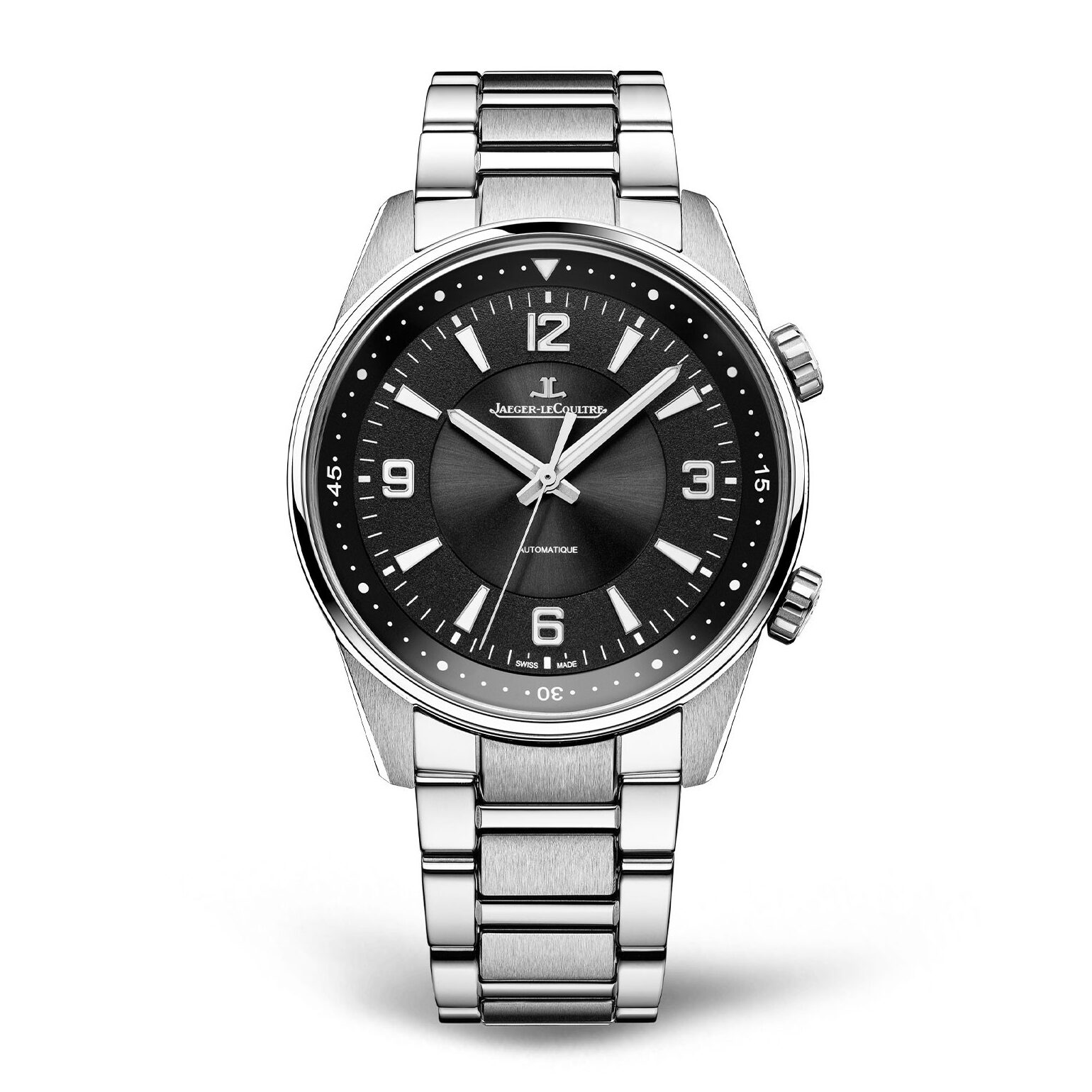
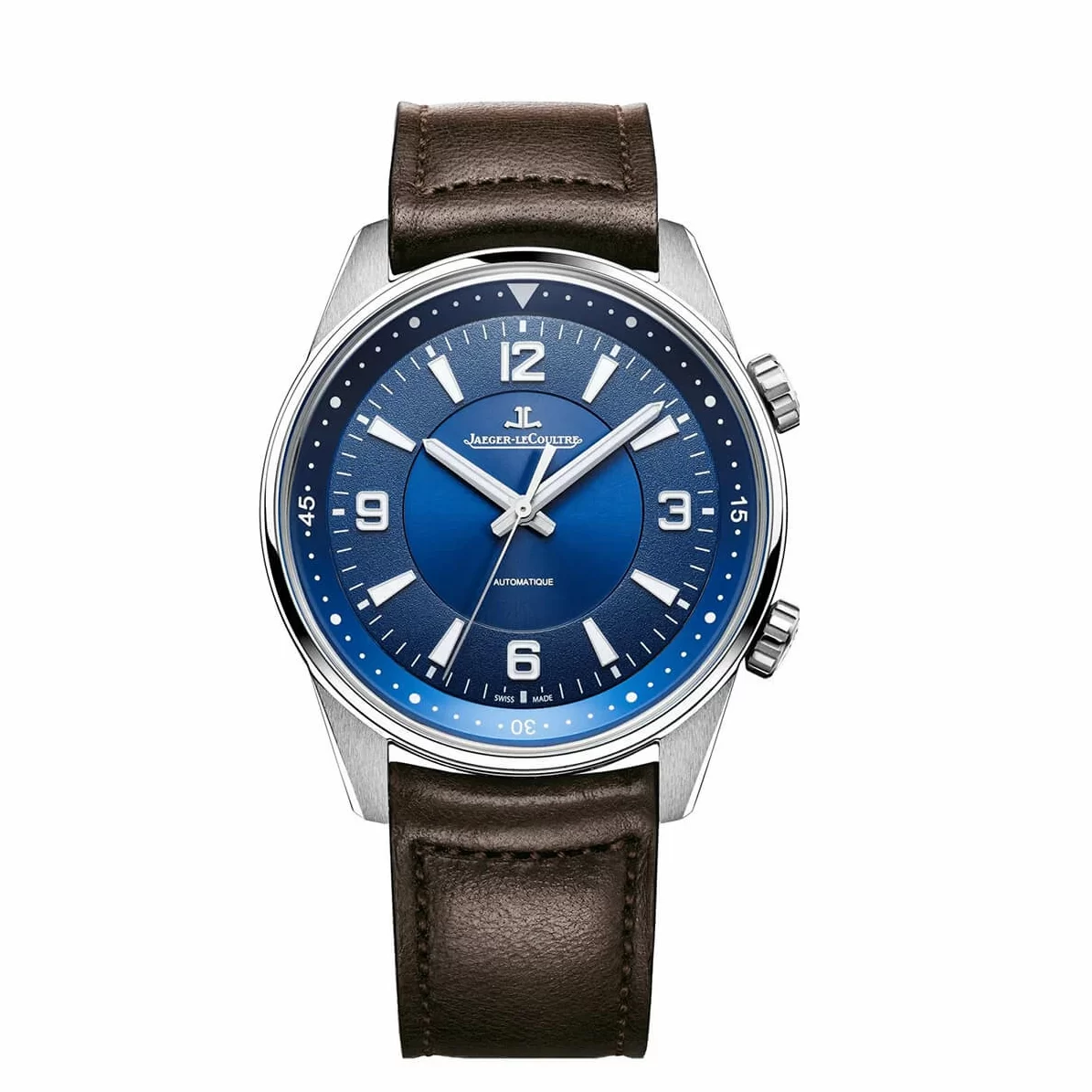
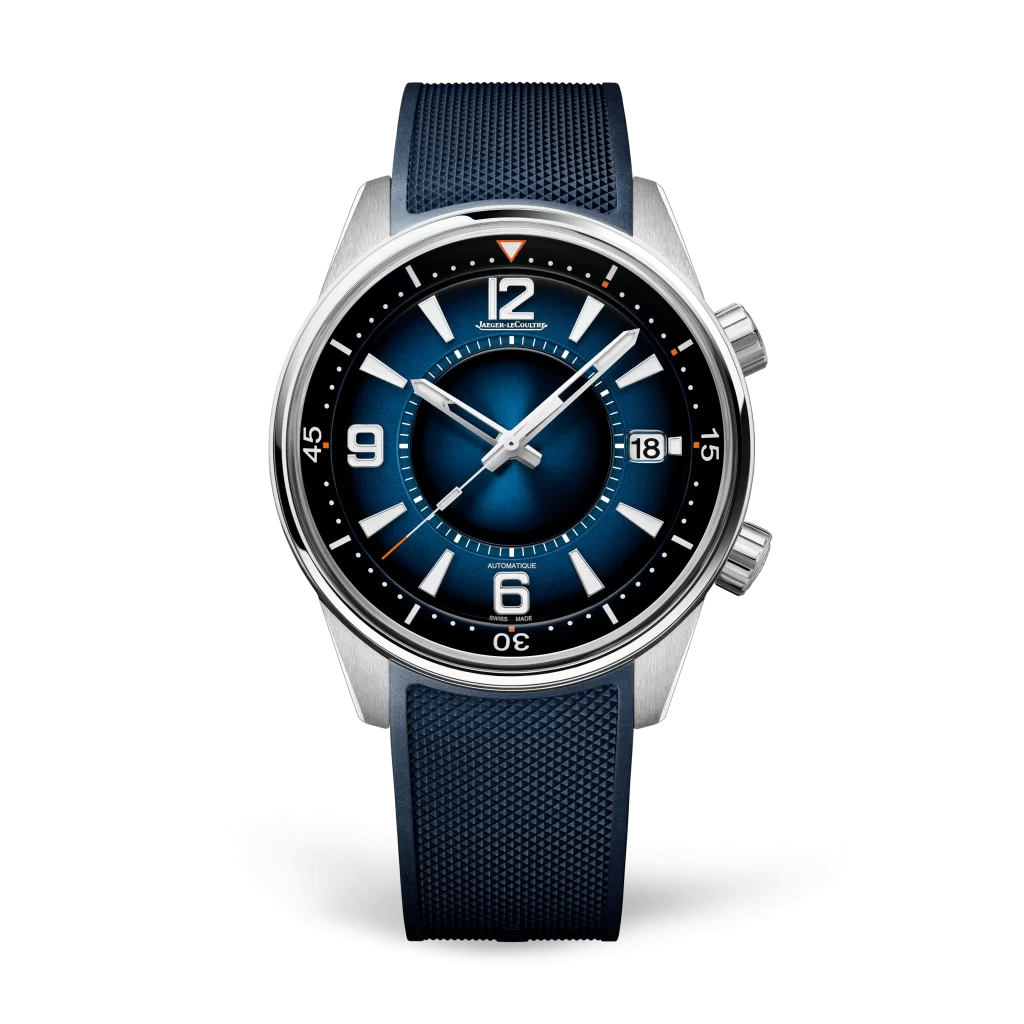
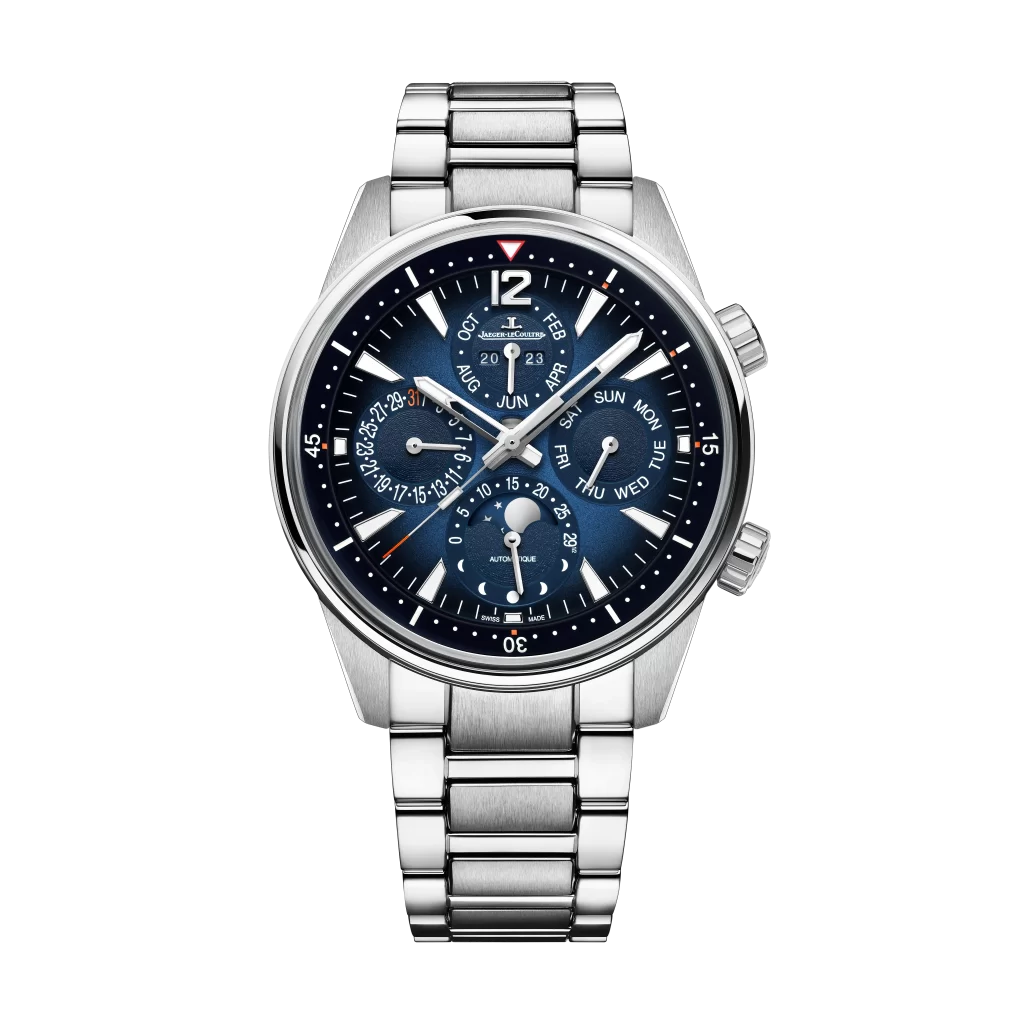
Recent iterations tell a different story. Rich gradient dials Lacquered and fumé finishes along with refined complications like the Polaris Perpetual Calendar.
In short, JLC has taken a safe idea and injected it with soul, harnessing all of their in-house know how to make this the watch it needed to be and one now worthy of it’s price point.
Bravo I say, even if the date version sizes up thicker at nearly 14mm vs the perpetual calendar at 12mm. A peculiarity driven by the need to push the date to 200m water resistance from the 100m of the latter. I’d take a hit on the water resistance any time for a more wearable watch. Who’s taking this one more than 100m?
Remember the Master Compressor?
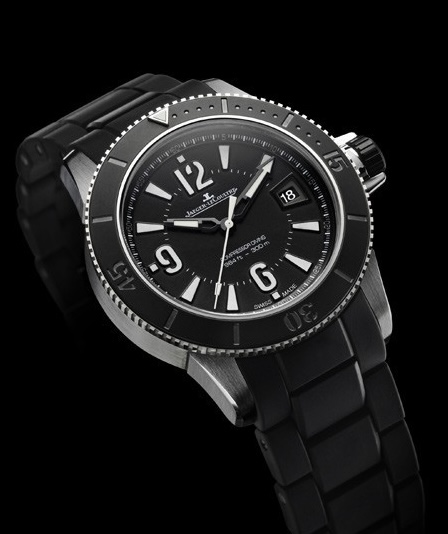
In the early 2000s, JLC wasn’t afraid to be bold. The Master Compressor series—with its oversized crowns, dive-grade sealing systems, and mechanical complications—showed that JLC could build rugged, serious tool watches.
The Navy Seals edition was particularly well-executed. A tactical instrument, with a legitimate military partnership, built to for a purpose and backed by serious horology.
Some would argue there’s still room for no nonsense approach if handled well. Maybe today’s Polaris is enough. I’d like to see more.
Artistry and Innovation Today
Fast forward, and JLC is once again demonstrating quiet brilliance in 2 very different ways on the same model line:
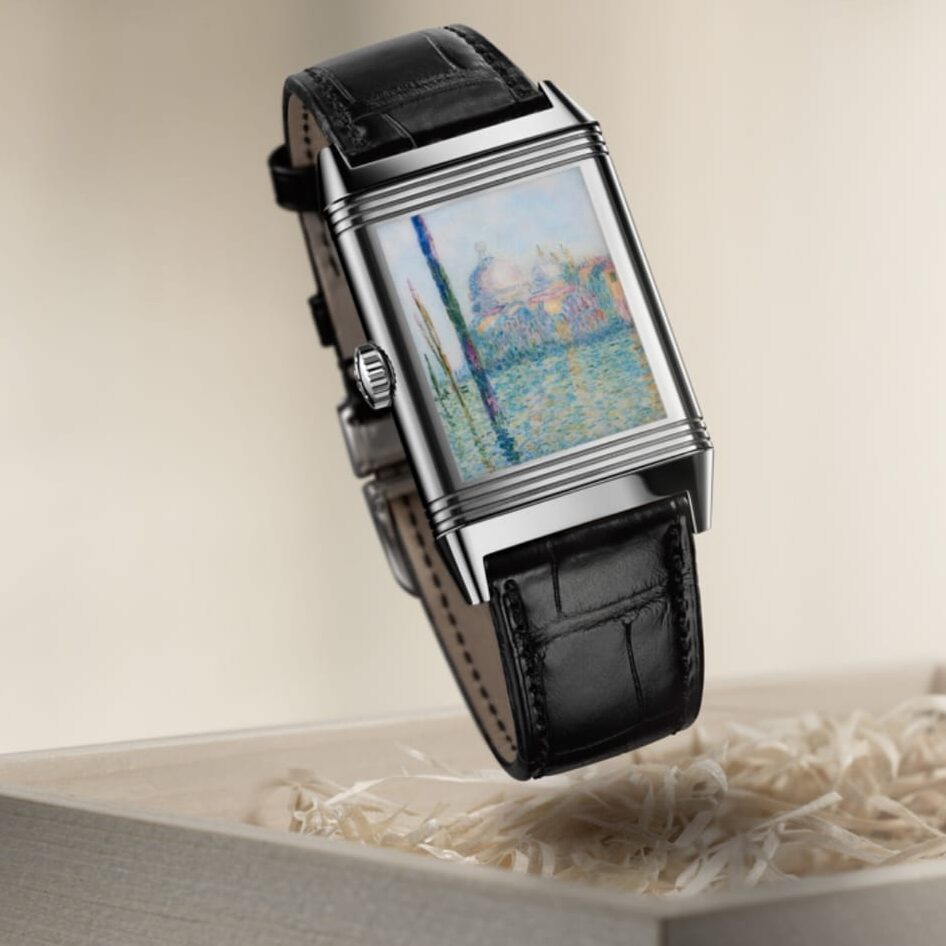
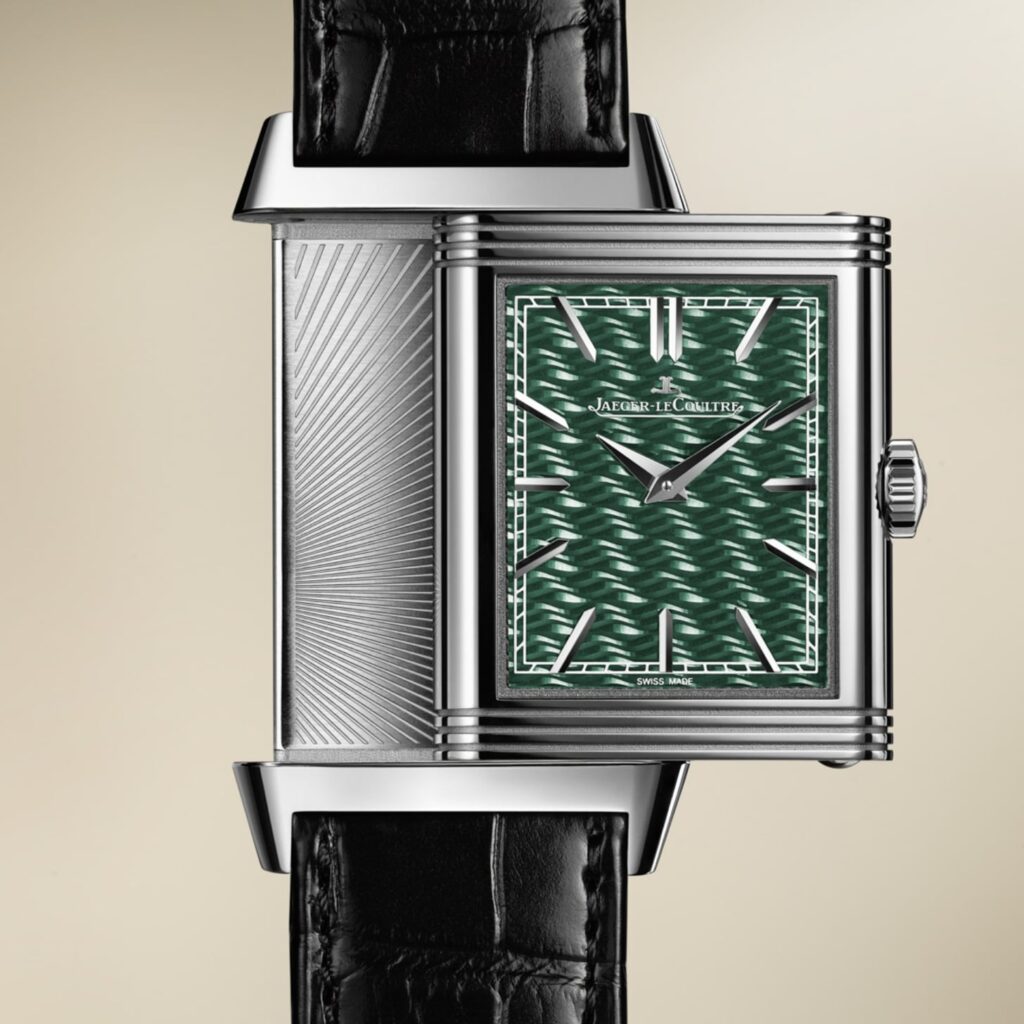
The Reverso Tribute Enamel: Golden Green Waves is inspired by Monet’s 1908 depiction of Venice’s Grand Canal. The front displays a guilloché dial with a 328-line wave pattern, finished in Grand Feu enamel in deep green.
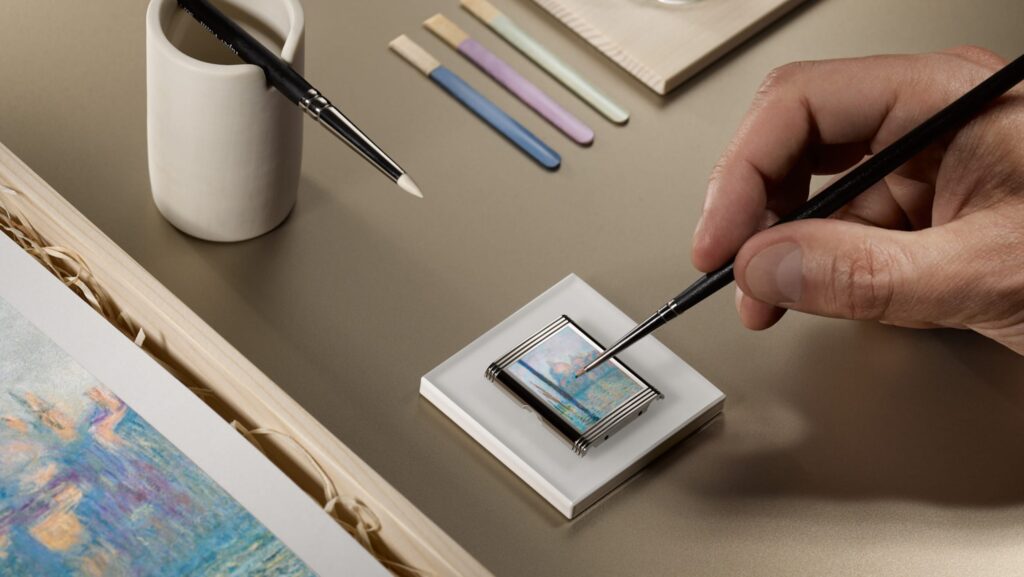
On the reverse, a hand-painted miniature recreates Monet’s shimmering scene, capturing water, sky, and light in just 2 cm². The enamel process requires 70 hours of work and multiple kiln firings to achieve.
Enameling of this kind is a long-standing speciality at Jaeger-LeCoultre—an artisanal skill rarely found in modern watchmaking and entirely absent at the house of Rolex.
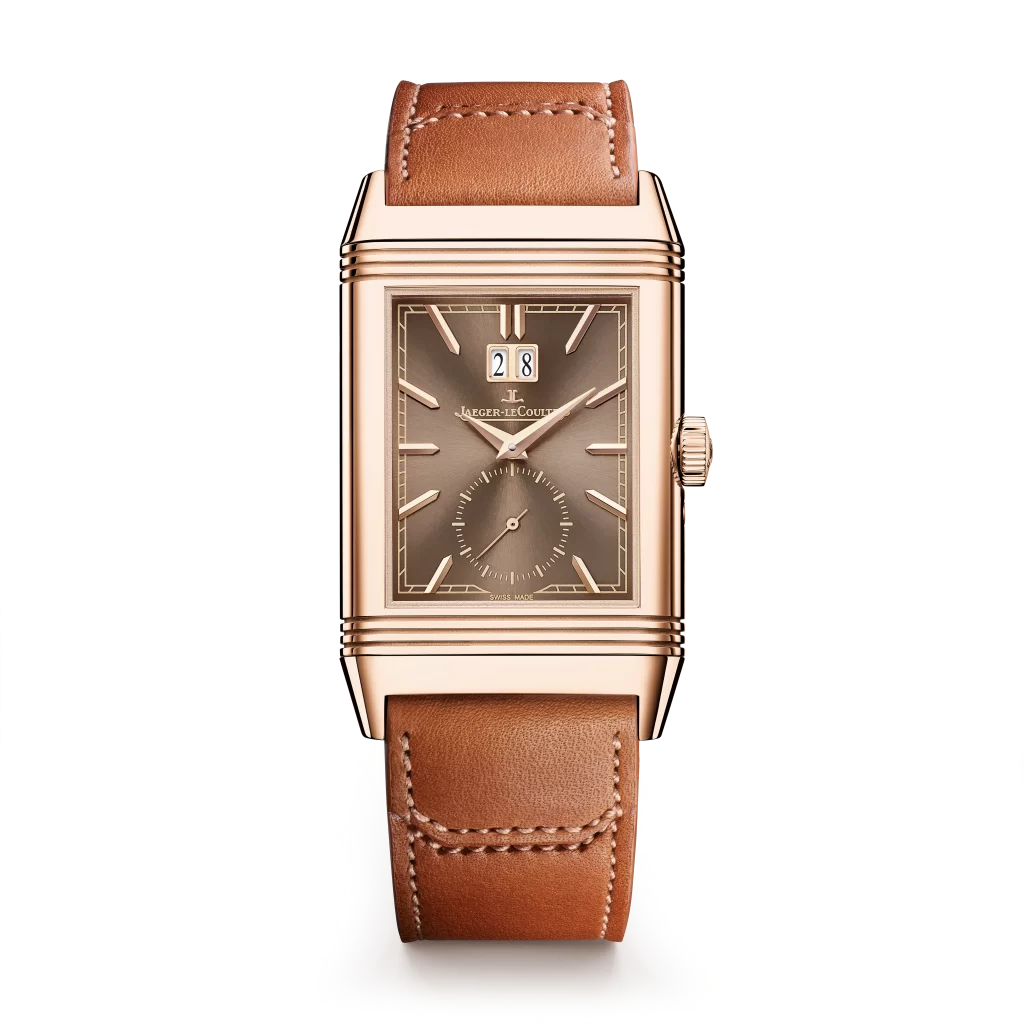
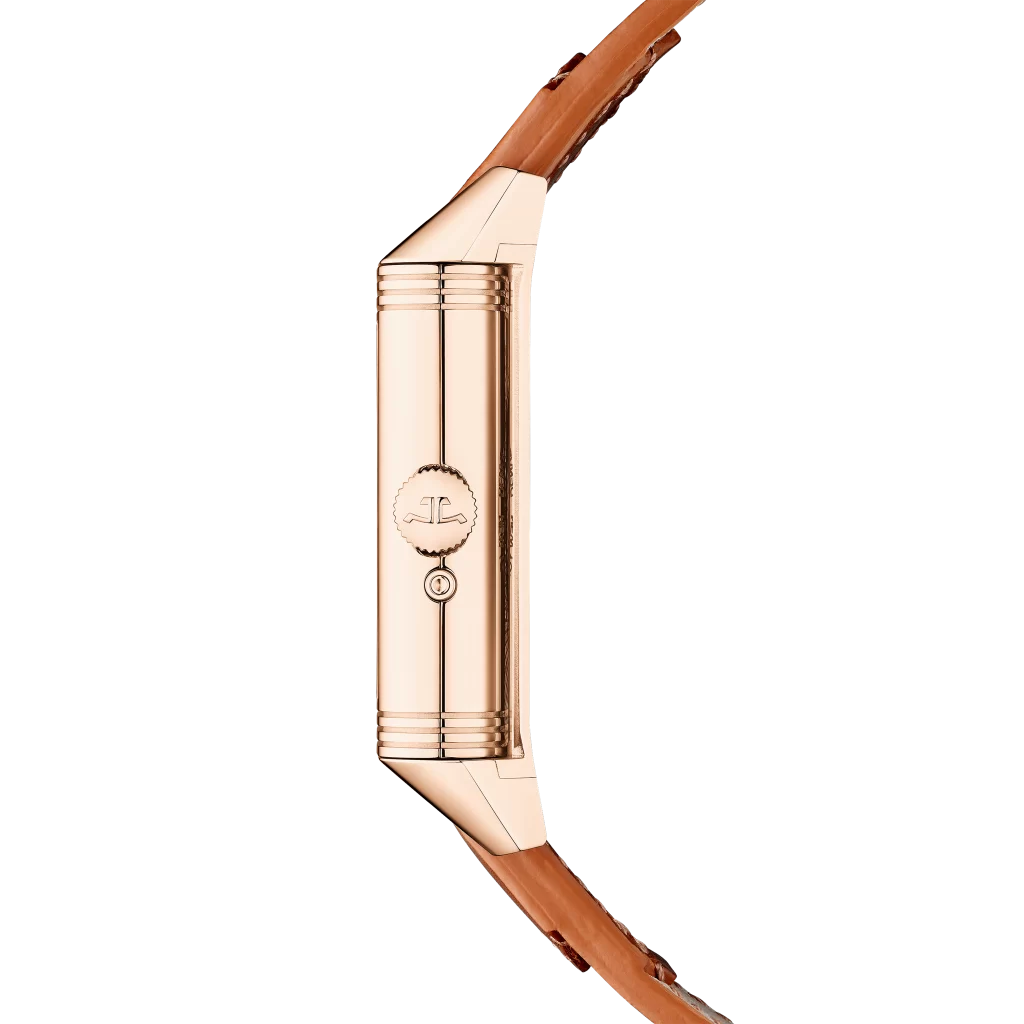
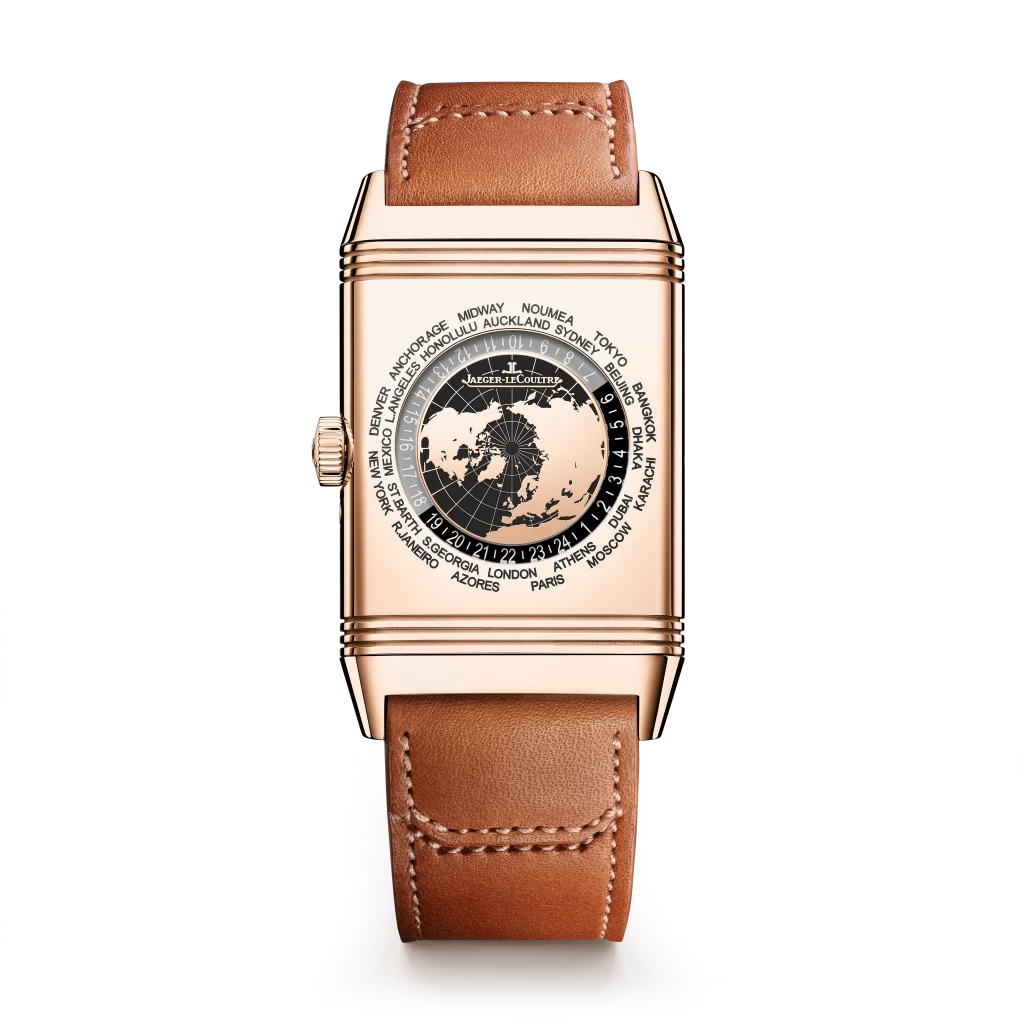
The Reverso Tribute Geographic blends the 1931 original’s Art Deco design with a modern travel time functionality. Its chocolate sun burst dial features a clear Grande Date, while the reverse displays a rotating 24-hour world time disc with engraved city names. The polished gold continents stand out against hand-lacquered black oceans, and a sliding pusher adjusts time zones by the hour.
It’s a quietly complex piece that reflects Jaeger-LeCoultre’s focus on refined engineering, thoughtful design, and that dual-purpose elegance synonymous of the Reverso.
These aren’t just watches. They’re statements of intent, confidence. JLC’s happy place.
Why You Should Take a Second Look
In a watch market dominated by hype and manufactured scarcity, Jaeger-LeCoultre’s quiet independence is perhaps its greatest asset. Like its Richemont stablemate IWC, JLC charts its own course—focused not on noise, but on substance. If you’re after more than just brand prestige—something with depth, heritage, and true craft—JLC deserves your attention.
The bonus is that many of its most compelling pieces, both new and pre-owned, remain surprisingly accessible. While some brands shout, JLC whispers—and in doing so, they endure.